

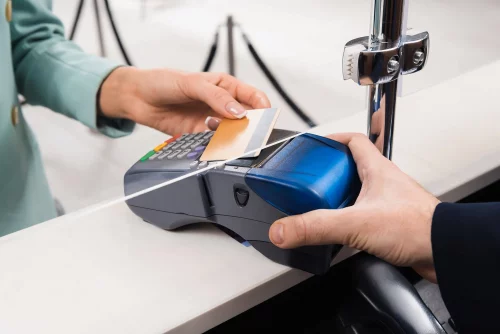
While many of us trust that our private information is secure, unfortunately, that is not always the case. If you have found an unauthorized credit card transaction on your credit card statement, do not wait to take action. Continue reading and reach out to a California unauthorized credit card transactions lawyer from Loker Law, APC to learn more about unauthorized credit card transactions, what to do if you discover one, and how our firm can best help you.
What Is an Unauthorized Credit Card Transaction?
An unauthorized credit card transaction occurs any time that a credit charge appears on your statement that you did not consent to or initiate. Unfortunately, there are a number of ways in which an unauthorized credit card transaction can occur, from data breaches and skimming to physical theft and phishing scams. It’s important to understand that even small transactions can be indicative of larger financial theft and should not go unreported.
Common Ways Unauthorized Charges Occur
- Card information is stolen through online data breaches or hacked retail store systems
- Phishing scams can trick victims into providing credit card information
- Lost or stolen cards may be used before they are cancelled
- Skimming devices placed on ATMs and point-of-sale terminals can steal card information
What Steps Should I Take After An Unauthorized Credit Card Transaction?
Acting immediately when an unauthorized charge is discovered on your credit card can help determine whether or not the charge is removed without financial impact, or becomes a prolonged issue that negatively affects your credit and financial accounts.
Discovering an unauthorized charge on your credit card can be stressful and overwhelming, but it’s important to remain calm and take immediate action to reduce the risk of financial liability. It’s necessary to understand that federal consumer protection laws have been enacted to help limit liability for consumers, so long as they report the issue on time.
Immediate Actions to Protect Your Account
- Carefully review the statement to confirm that you did not authorize or initiate the charge
- Contact your credit card company to report the unauthorized charge
- Dispute the charge within 60 days of receiving the credit card statement
- Continue to monitor your account for additional suspicious activity
What Happens After an Unauthorized Charge Dispute Is Opened?
After disputing an unauthorized charge with your credit card company, they are legally obligated to investigate the claim. As such, while the investigation is ongoing, the disputed amount will typically be removed from your statement while they are reviewing your account details and information from the merchant.
In California, disputed credit card charges may have additional scrutiny in the event the cardholder has a recurring history with the merchant. As such, issuers may initially assume that the charge was authorized, which is why gathering evidence is critical to help prevent these charges from being treated as valid.
What Card Issuers are Legally Required to Do
- Acknowledge the dispute within a defined timeframe
- Complete a reasonable investigation into the claims
- Remedy billing errors if fraud is confirmed
- Send a written notice of the result of the investigation
What If a Credit Card Company Refuses to Fix This Unauthorized Transaction?
In the event that the credit card company denies the disputed transaction on the grounds that the charge was authorized or insufficiently documented, it’s important to understand that you still have legal options. You can file an official appeal with your credit card company to dispute the results of their investigation.
Options in the Event a Dispute Is Denied
- Provide additional documentation to show the charge is unauthorized
- File a written billing error notice under the Fair Credit Billing Act
- Escalate the matter internally with the credit card company
- Contact an experienced consumer defense attorney to help you protect your rights
How California Law and Federal Protections Apply
Though federal law governs most credit card disputes, California has a number of additional legal protections for consumers to enforce fair billing practices. As such, understanding your rights under both federal and California state law is critical to protect yourself in the event of an unauthorized credit card transaction.
Important Protections for California Credit Card Holders
- Laws limit consumer liability for unauthorized credit card use
- Required timely and comprehensive investigations into disputes filed by cardholders
- Protection against retaliatory collection efforts
- Enforcement in the event that credit card companies fail to comply
Contact a California Unauthorized Credit Card Transactions Lawyer
For any further questions or if you need an attorney to help you navigate these complex waters, the team at Loker Law, APC, is ready to represent you. Our consultations are free, and we will examine the circumstances of your case to determine the best possible outcome. We are here to guide you through this stressful time and ensure your finances and privacy are protected. Contact us today to learn how we can represent you.