
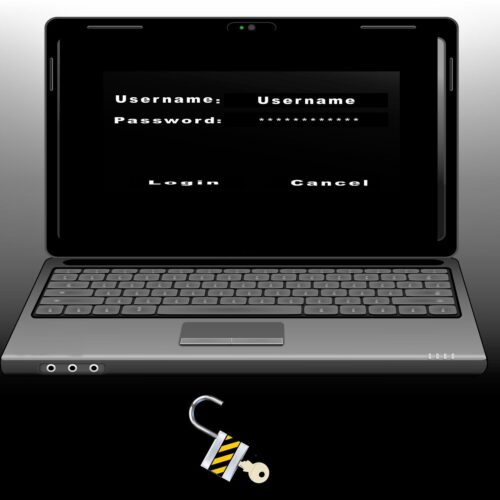
While you may assume that information like Social Security numbers and dates of birth are among the most valuable assets for sale on the dark web, you’d be mistaken. In reality, some of the most sought-after assets are login credentials! As such, you may wonder what steps you can take to protect your usernames and passwords online. One option you may have already considered is password managers, though you may have concerns about the security of these tools. The following blog explores what you should know if you’ve considered utilizing these programs, as well as the importance of working with a California identity theft victim lawyer if you believe your information was compromised.
Are Password Managers Safe to Use?
Password managers are tools that store all passwords in a “vault” accessible by a master password. However, many have concerns about how safe these tools are. One of the primary concerns is that anyone who can guess your master password will have access to all the accounts stored in the system. While this is true, using a strong and unique password can help reduce the risk that your information will be compromised.
It’s critical to understand that no tool is 100% effective in preventing identity theft. As such, it is possible, though rare, for these systems to undergo cybersecurity attacks that can compromise the data of users.
However, these tools use a number of cybersecurity measures to help protect your data. The vast majority of these companies utilize zero-knowledge encryption technology, which means the company itself cannot even see your passwords. Additionally, your data is encrypted before it is uploaded to the cloud, meaning it is incredibly difficult for hackers to unscramble your information to access your accounts.
How Can These Tools Protect My Identity?
While password managers, like other tools, can be compromised, it’s critical to understand that these systems can actually help keep your identity safe. Not only do these tools help store your passwords in a secure location, but they also create strong, unique passwords. This can reduce the risk of identity theft as it helps you avoid reusing the same weak passwords. As such, if one of your passwords is compromised, you can rest assured that your other accounts will remain secure.
What Else Can I Do to Secure My Information?
In addition to creating and storing strong, encrypted passwords, you can take additional steps to help protect your login information. One of the most beneficial things you can do is enable multi-factor authentication (MFA) on your accounts. This can help ensure that unauthorized individuals are unable to access your accounts, even with the correct usernames and passwords. Essentially, when you have MFA enabled, it requires a secondary form of authentication. This can be your biometric data, or more commonly, entering in a unique, one-time code sent to your phone number or email. Without this code, a thief can’t access your accounts. This also helps you stay on top of breaches, as receiving an MFA code that you didn’t request can indicate that someone has obtained your login credentials.
As you can see, password managers are incredibly beneficial tools to help protect your identity. While these tools can help, it’s important to understand that, as mentioned, no system is 100% safe. As such, if you believe your identity has been compromised, it’s in your best interest to connect with Loker Law. Our firm will examine your circumstances to determine the best course of action to help you reclaim your identity. When you need help, contact us today to learn more.